Facebook Groups for Real Estate Agents: A Lead Playbook
How real estate agents find the right Facebook groups, post listings admins approve, answer buyer questions, and turn group activity into steady leads.
 MaherPost Team October 29, 2026 8 min read
Key takeaways
- Local community groups produce more real estate leads than generic realtor groups.
- Helpful market posts earn the trust that makes listing posts work later.
- Each group needs its own wording, posting rhythm, and respect for its link rules.
- Watching group feeds for buyer and seller questions often beats posting more.
Facebook groups work for real estate agents when you join the local groups your buyers and sellers already use, show up with useful local knowledge, and post listings only where the rules allow it. The agents who get steady leads treat groups as a neighborhood presence, not a classifieds board. Below is the full playbook: which groups to pick, what to post, how often, and how to catch the people who are ready to move.
Why Facebook groups still work for realtors
Most real estate marketing is either expensive (portal leads, paid ads) or slow (SEO, YouTube). Groups sit in between. They are free, local, and full of people asking questions that signal a move is coming: “Which school district is better?”, “Anyone know a good agent who handles VA loans?”, “Thinking of selling, is now a bad time?”
A realtor in Austin who answers those questions every week in Round Rock, Pflugerville, and Cedar Park community groups becomes the name people tag when a friend asks for an agent referral. That tag is worth more than any boosted post, because it comes with a recommendation attached.
Groups also give you something portals do not: a way to show your knowledge before anyone has to fill out a form. A buyer who has seen you explain property tax protests three times is far warmer than a Zillow click.
Which Facebook groups real estate agents should join
Not all groups are equal. Here is how the main types compare for an agent looking for clients.
| Group type | Example | Who is in it | Lead potential | Listing posts allowed? |
|---|---|---|---|---|
| Neighborhood community | ”Mueller Neighbors” | Homeowners, renters | High for sellers | Often limited or banned |
| Town or suburb news | ”Round Rock Community Forum” | Residents, local businesses | High | Usually on a set day |
| Relocation | ”Moving to Austin” | Out-of-state buyers | Very high for buyers | Often allowed with value |
| Local buy and sell | ”Austin Marketplace” | Bargain hunters | Medium | Usually allowed |
| Military or employer groups | ”Fort Cavazos Families” | Relocating families | High for buyers | Varies |
| First-time buyer groups | ”Texas First-Time Homebuyers” | Renters planning to buy | Medium to high | Education posts preferred |
| Realtor networking | ”Texas Realtors Referral Network” | Other agents | Referrals only | Yes |
Relocation groups deserve special attention. People moving from another state have urgent questions and no local agent yet. If you answer them well, you are often the first agent they talk to.
How to find them
Search Facebook for your city, suburbs, and zip codes combined with words like “neighbors”, “community”, “moving to”, “relocating”, and “families”. Check which groups your past clients are in. Look at the “related groups” suggestions after joining one good group. For a deeper method, see how to find Facebook groups for your business.
Before you join, check three things: posts per day (a group with three posts a month is dead), whether the members are local, and whether the admins actually moderate. A group drowning in spam is not a place your post will be seen.
What realtors should post in Facebook groups
The mix matters more than any single post. A good rule is that most of what you share in community groups should be useful without anyone having to hire you, with listings and direct offers making up the smaller share.
Posts that build trust
- Monthly market snapshots. “Median sale price in Pflugerville last month, days on market, and what that means if you are thinking of listing.” Keep it short and local.
- Answers to recurring questions. Property tax protests, homestead exemptions, HOA versus no HOA, flood zones. Write one clear answer, then reuse it with fresh wording.
- Local guides. “Five things relocating families ask me about Cedar Park schools” gets saved and shared.
- Open house invites. Most community groups tolerate these because they are events, not ads.
Posts that generate leads directly
- New listings, in groups that allow them, with three to five photos and the facts people actually scan for: price, beds, baths, school zone, and one standout detail.
- Seller questions turned into offers. “I can send a free home value estimate for anyone in 78660. Comment or message me.”
- Buyer matchmaking. “I have buyers looking for a 3 bed under $400k in Hutto. If you are thinking of selling quietly, message me.”
For more angles, our Facebook group post ideas list has 30+ templates you can adapt.
Real estate post templates you can copy
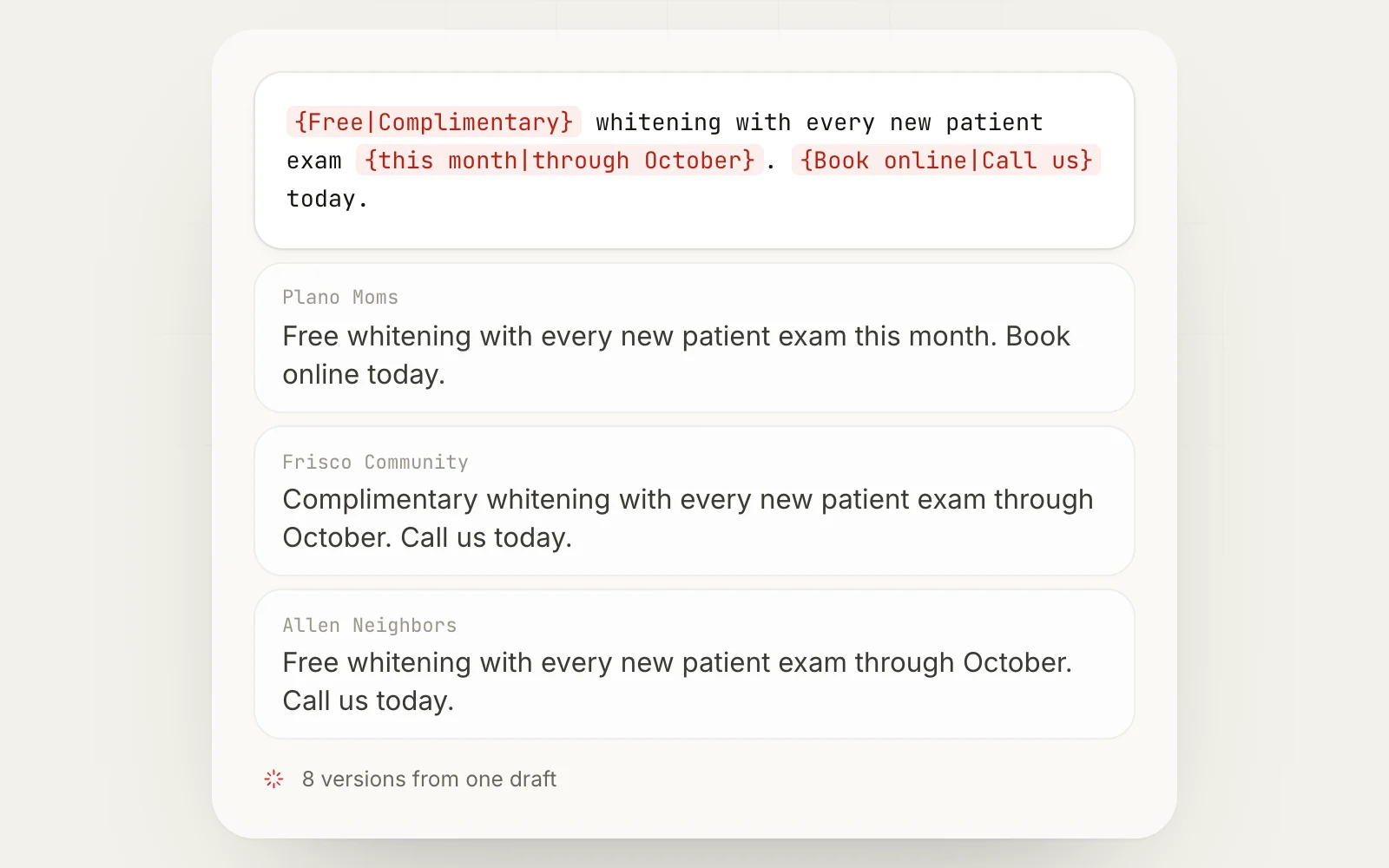
Templates save time, but posting the same paragraph in 25 groups is how you get flagged as duplicate content. Write one strong base version, then vary it per group.
Market update template
Quick {Round Rock|Pflugerville|Cedar Park} market check for {October|this month}:
Homes are taking about {38|41} days to sell, and {more sellers are offering closing help|price cuts are more common than last spring}.
If you are {thinking about listing|curious what your home would sell for}, I am happy to run the numbers. No pressure, just data.
Listing template (for groups that allow listings)
{Just listed|New on the market} in {Hutto|Hutto ISD}: 3 bed, 2 bath, 1,850 sq ft, $389,000.
{Big backyard with mature trees|Corner lot and a two-car garage}. Walking distance to the elementary school.
{Happy to share more photos|Message me for the full photo set} or set up a showing this weekend.
Relocation answer template
Welcome in advance. Here is what most families moving to {Austin|the Austin area} ask me first:
1. Property taxes are higher than most states, but there is no state income tax.
2. Commute times vary a lot, so pick the area around where you will work.
3. School ratings differ street by street, so check the exact address.
{Happy to answer anything else here|Feel free to message me with questions}.
These go in fenced blocks because the curly brace sections are spintax, a format that picks one option per group so each group sees slightly different wording. You can build your own with the free spintax generator.
How often realtors should post in groups
Facebook does not publish exact posting limits for groups, and each group sets its own rules on top of that. Based on what tends to work without annoying admins or members:
- Answer questions daily when you can. Comments carry little risk and build the most trust.
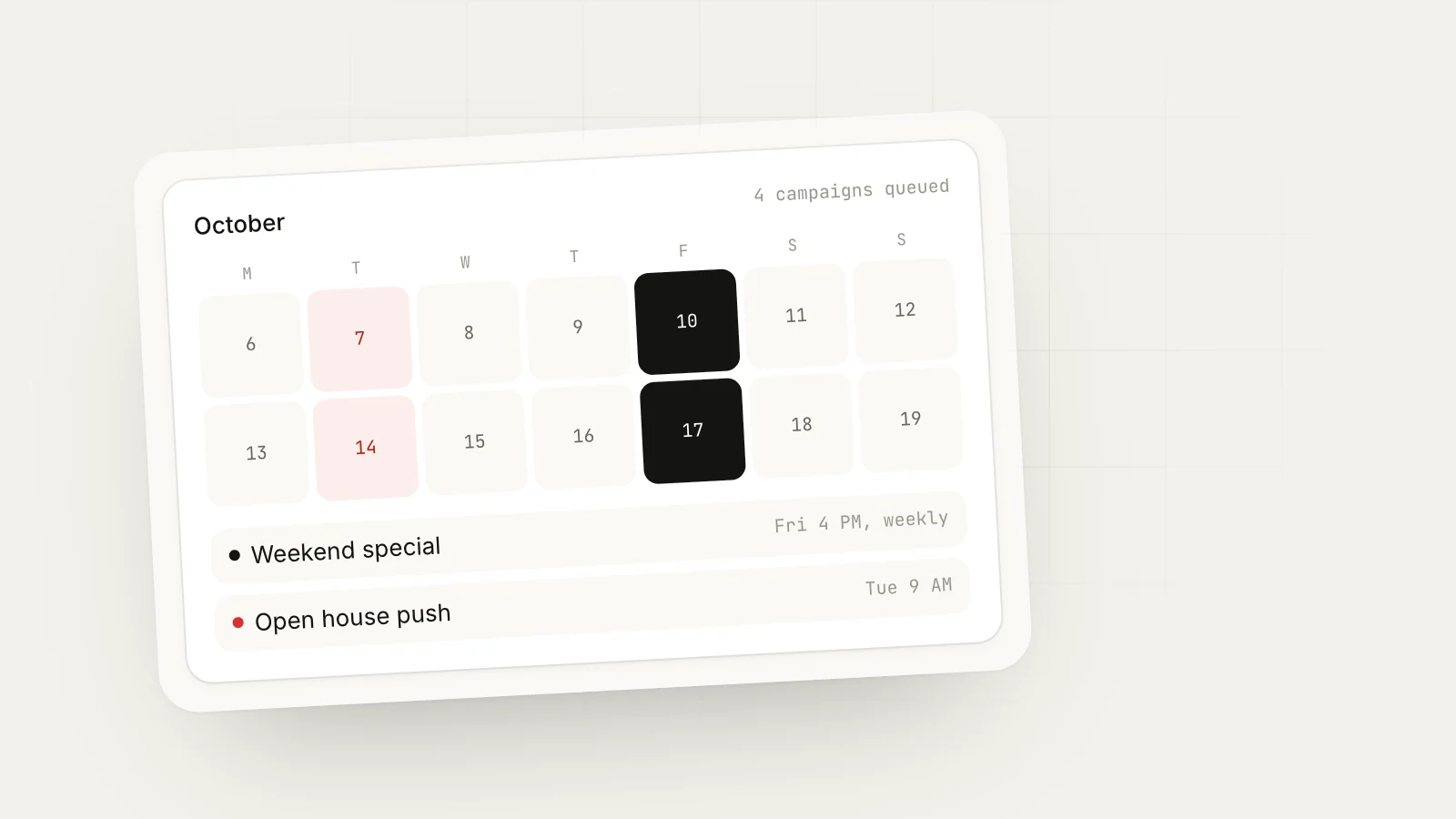
- Post a useful, non-promotional piece once a week per group in your core list.
- Share listings only on the days a group allows, and no more than once or twice a week in any one group.
- Spread posts across the day rather than firing them all within ten minutes.
- Skip a group for a week if a post gets declined, and reread its rules before trying again.
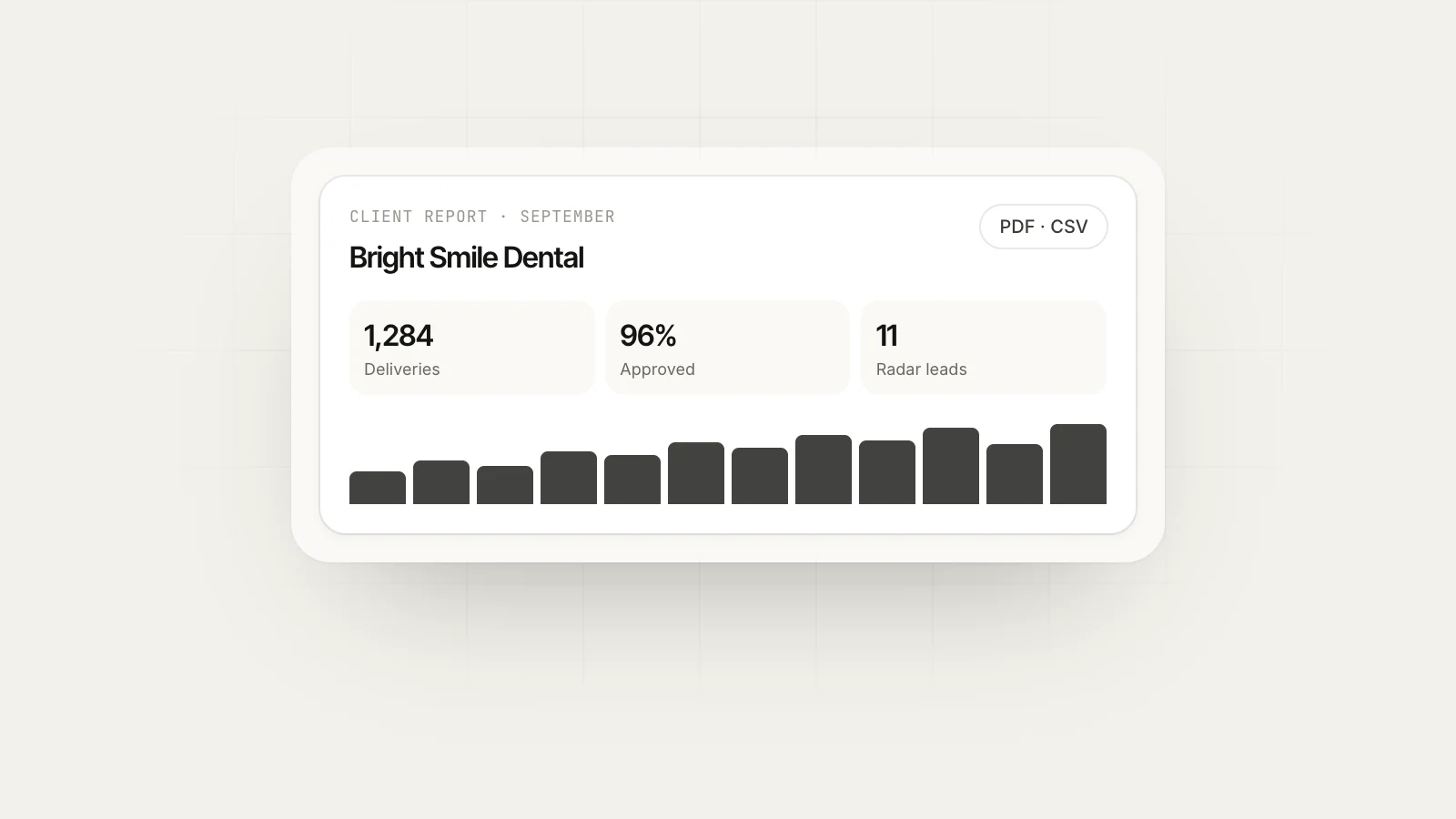
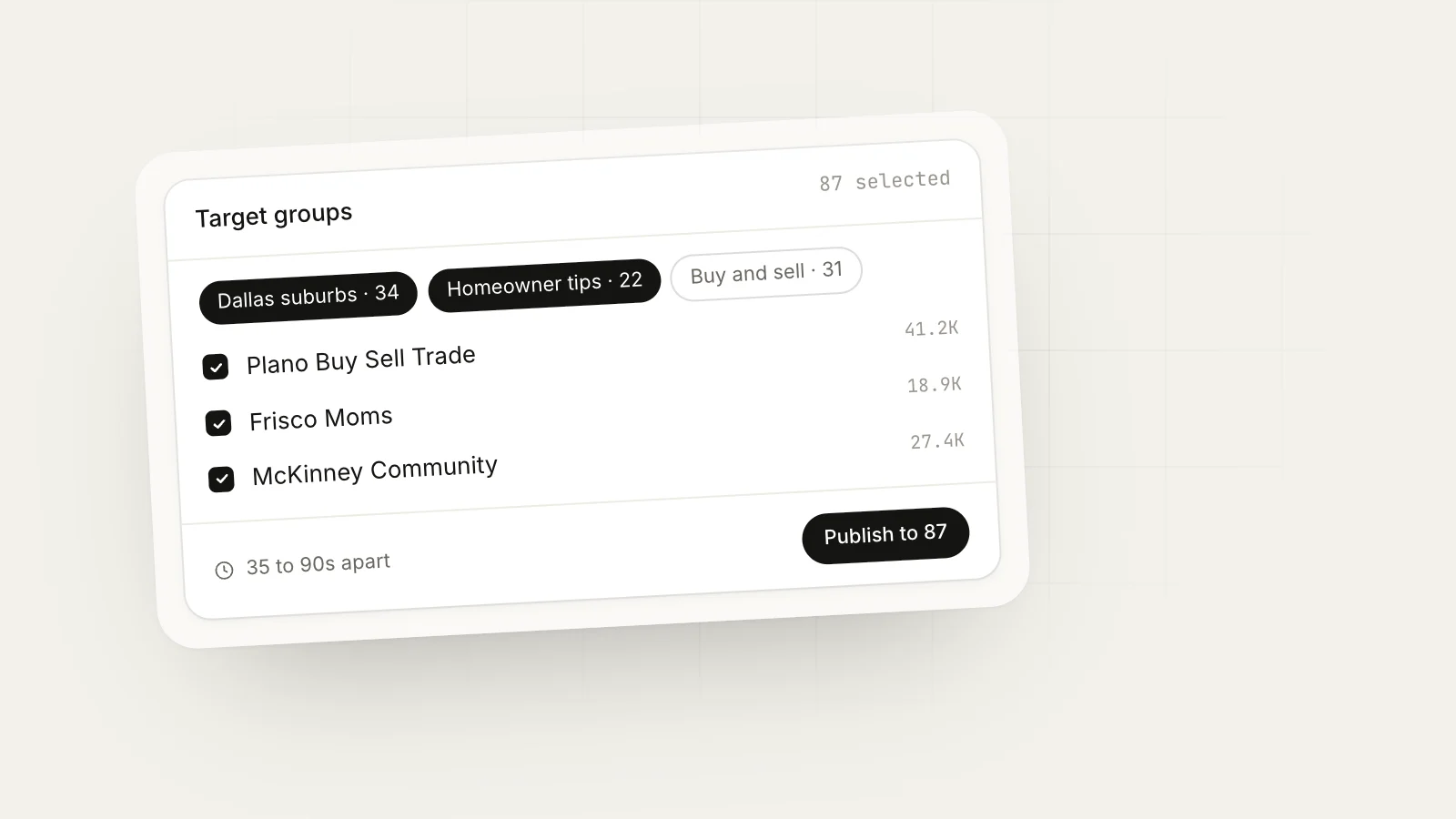
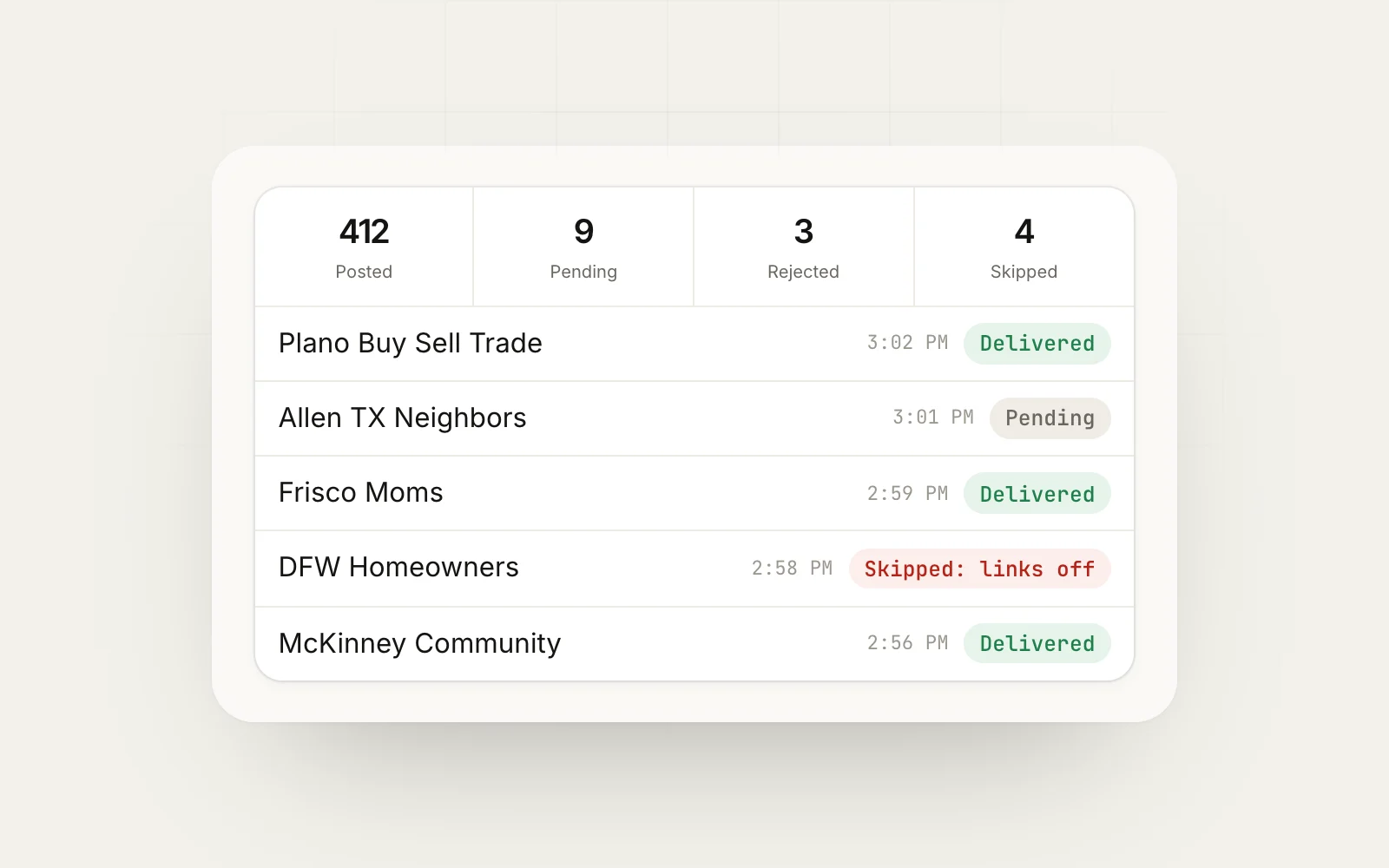
If you post across 30 groups, that weekly rhythm adds up to roughly 30 to 60 posts a week, which is too much to do by hand without it eating your mornings. Our guide to Facebook posting limits covers safe pacing in more detail.
Handling links, approvals, and declined posts
Many neighborhood groups ban outside links to stop spam. If you paste a Zillow or MLS link into the post body, it may be declined automatically or removed by an admin. Two workarounds that respect the rules:
- Put the link in the first comment after the post is live, if the group allows comments with links.
- Leave links out entirely and say “message me for the full listing.”
Some groups hold every post for admin approval. That is normal. Write posts that an admin would be glad to approve: local, specific, and not shouting. If your posts keep sitting in a queue or disappearing, read why your Facebook group post is pending and the rules admins use for promotional posts.
Catching buyers and sellers who are asking for help
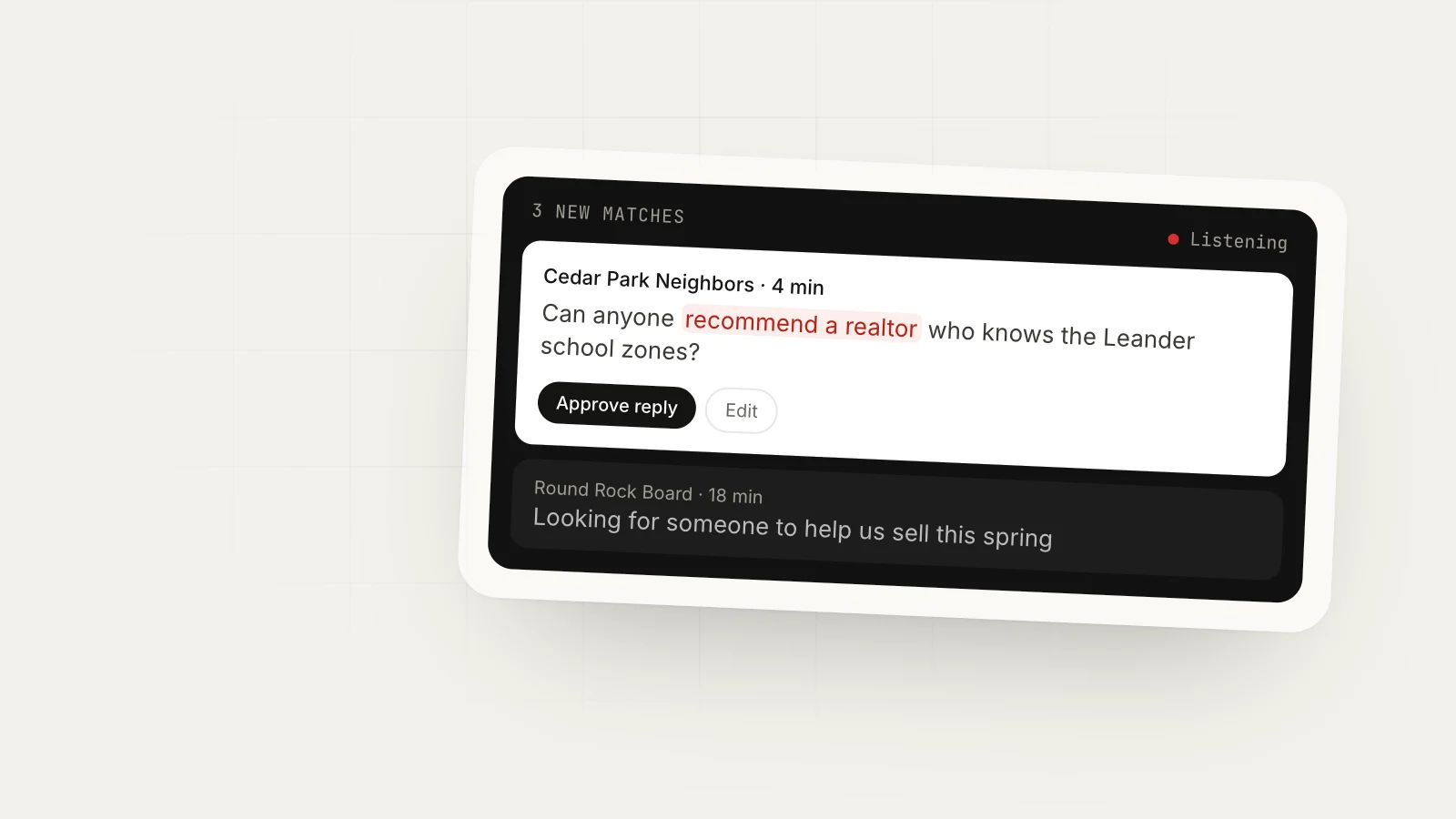
Posting is only half of it. The other half is noticing when someone in your groups says “we are relocating to Austin in March” or “looking for a realtor who knows Georgetown.” Those posts get answered fast, often within an hour, by other agents.
Practical ways to catch them:
- Turn on notifications for your top five groups.
- Search each group for “realtor”, “agent”, “relocating”, “moving to”, and “selling our house” a few times a week.
- Keep a short saved reply ready so you can respond with something personal in under two minutes.
A sample response that works:
Hi Jenna, congrats on the move. I work mostly in Round Rock and Georgetown and helped two families relocate from Colorado this year. Happy to send a short list of neighborhoods that fit your commute. No obligation.
Notice there is no link and no hard pitch. It answers the post, mentions relevant experience, and offers a next step. For a broader approach, see how to get leads from Facebook groups.
Staying safe while posting at volume
Real estate agents tend to run into account restrictions for the same reasons: identical listing copy pasted into dozens of groups, too many posts in a short window, and links in groups that ban them. A few habits cut most of that risk.
- Vary the copy for every group. Even small changes in the first line and the call to action help.
- Space posts out. Several minutes between groups, with some randomness, looks more like a person.
- Warm up new or quiet profiles. If your personal profile has been idle for months, start with a few groups a day and build up over a week or two.
- Watch your declines. A run of rejections is a signal to slow down.
No tool can guarantee an account is never restricted. Read is a Facebook auto poster safe for the full picture before you scale up.
A weekly checklist for real estate agents
- Reviewed new questions in your top groups at least three times this week
- Posted one useful market or local post in each core group
- Shared listings only in groups that allow them, on their allowed days
- Varied the wording for each group
- Put links in comments where the post body bans them
- Logged any declined posts and adjusted those groups
- Followed up by message with everyone who commented on a listing
Next step
Start by building a list of 15 to 25 local and relocation groups, sorted by how active they are and whether they allow listings. Post by hand for two weeks so you learn each group’s tone. Once you know what works, a tool like MaherPost can schedule your market updates and listings across those groups with per-group wording and spaced delays, and its Lead Radar can flag posts where someone asks for an agent so you can reply first. The real estate page shows how other agents set it up, and pricing is one flat plan.
Put this into practice.
MaherPost posts to every Facebook group you have joined, with spintax, safe pacing and a log of every delivery. $29 a month.
Written by the MaherPost Team
We build MaherPost and run group campaigns with it every week. These guides come from what we see working, and what gets accounts in trouble. Questions or corrections: support@maherpost.com.